




Ever found yourself staring at a cluttered garage, wondering where on earth you’re going to store the lawnmower, camping gear, and those boxes you’ve been meaning to sort through for years? Or perhaps you’ve dreamed of having a dedicated space for your hobbies—somewhere to tinker with tools, pot plants, or finally set up that home gym? If these scenarios sound familiar, you’re not alone.
A custom shed might just be the answer you’ve been searching for. Unlike off-the-shelf options, a bespoke shed gives you complete control over size, design, and functionality. Whether you need extra storage, a workshop, or a peaceful retreat at the bottom of the garden, building a shed tailored to your specific requirements makes all the difference.
In this guide, we’ll walk you through everything you need to know about creating your perfect outdoor structure. From planning and budgeting to choosing materials and navigating council approvals, we’ve got you covered. Plus, we’ll break down whether you should tackle this project yourself or call in the professionals. Ready to get started? Let’s jump in.
What Is a Custom Shed and How Does It Differ from Pre-Built Options?
Understanding the Benefits of Going Custom
A custom sheds is exactly what it sounds like—a structure designed and built specifically for your needs, space, and preferences. Unlike pre-fabricated or kit sheds that come in standard sizes and configurations, a bespoke build allows you to dictate every detail.
The biggest advantage? You’re not compromising. Need extra headroom for tall shelving? No problem. Want a window positioned to catch the morning light? Done. Custom builds let you maximise your available space while ensuring the shed actually serves its intended purpose.
Custom Sheds vs Kit Sheds: Which Is Right for You?
Kit sheds offer convenience and often come with a lower price tag. They’re quick to assemble and work well for straightforward storage needs. However, they’re limited in design flexibility and may not suit unusual block shapes or specific requirements.
On the other hand, custom sheds melbourne require more planning and investment upfront but deliver superior long-term value. If you’re after something truly functional and aesthetically pleasing, going bespoke is typically worth the extra effort.
Planning Your Custom Shed: Where to Start
How Do I Determine the Right Size Shed for My Backyard?
Before anything else, measure your available space carefully. Consider not just the footprint but also access paths around the shed and any setback requirements from boundaries. A common mistake is building too small—so think about future needs, not just current ones.
Assessing Your Storage and Functional Needs
Ask yourself what you’ll actually use the shed for. Will it house garden tools, bikes, and outdoor furniture? Perhaps you need a dedicated workspace with a sturdy workbench. Make a list of everything you plan to store or do inside, then design accordingly.
Setting a Realistic Budget for Your Shed Project
Budgets vary wildly depending on size, materials, and features. A basic timber shed might cost a few thousand dollars, while a fully kitted-out steel workshop could run into tens of thousands. Be honest about what you can afford and factor in a contingency of around 10-15% for unexpected costs.
Choosing the Best Materials for Your Custom Shed
Timber, Steel or Colorbond: What Should I Build My Shed From?
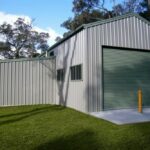
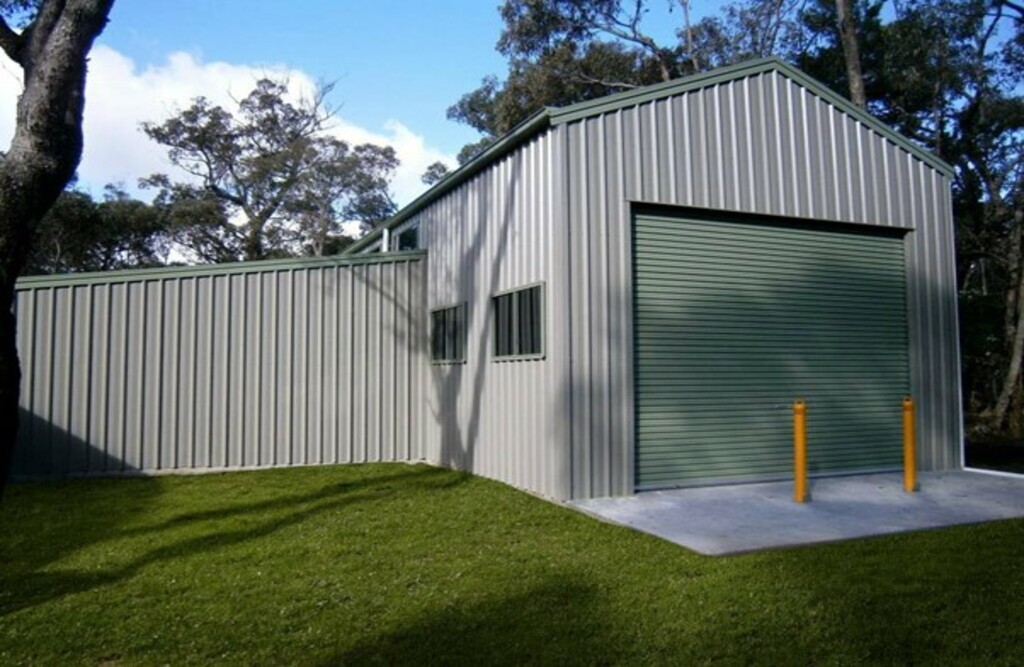
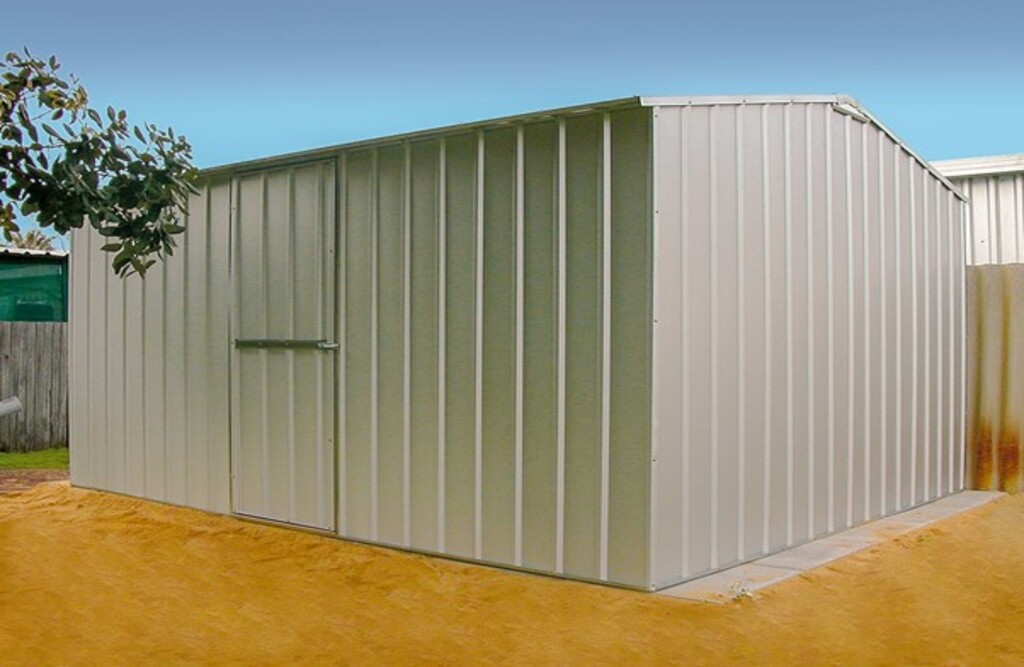
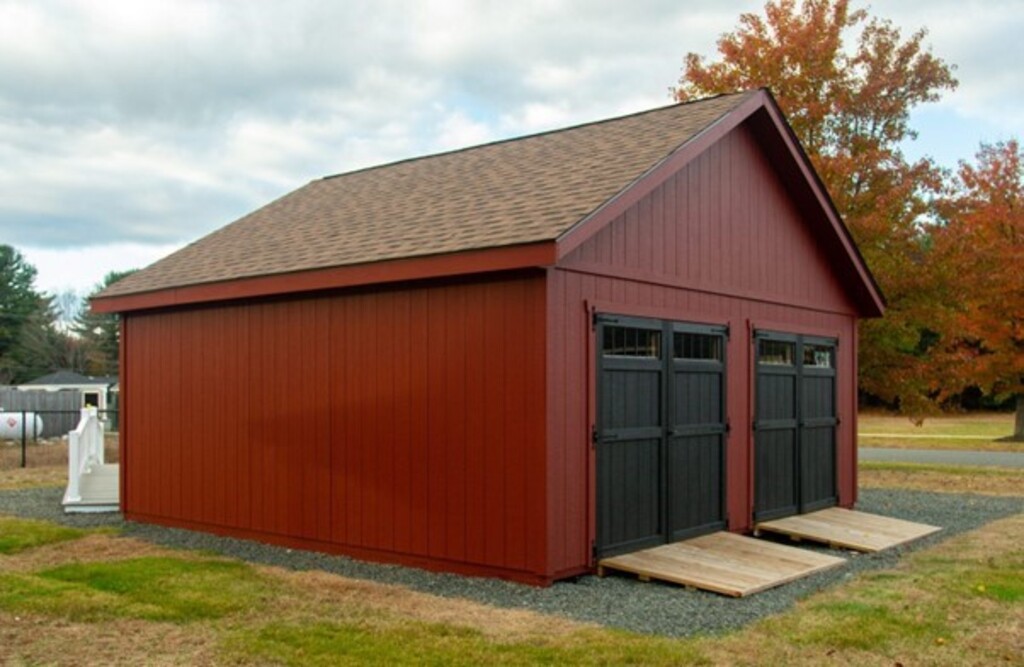
Each material has its pros and cons. Timber offers a classic, warm aesthetic and is relatively easy to work with for DIY builds. Steel provides superior durability and security. Colorbond, a popular Australian choice, combines strength with low maintenance and comes in various colours to complement your home.
Weatherproofing Considerations for Australian Climates
Australia’s climate varies dramatically, so weatherproofing is essential. In coastal areas, corrosion-resistant materials are crucial. For hot, dry regions, insulation and ventilation help regulate internal temperatures. Don’t skimp on quality seals around doors and windows either.
Eco-Friendly and Sustainable Material Options
Sustainability-minded builders might consider recycled timber, reclaimed materials, or sustainably sourced wood. Some manufacturers also offer Colorbond products made with recycled steel. These choices reduce environmental impact without sacrificing quality.
Designing Your Shed: Features That Make a Difference
What Features Should a Custom Shed Include?
This depends entirely on your intended use. However, some universally beneficial features include adequate lighting, power outlets, and secure locking mechanisms. If you’re using the space regularly, climate control options like fans or insulation panels add significant comfort.
Windows, Ventilation and Natural Lighting
Natural light transforms a dark, dingy shed into a pleasant workspace. Position windows strategically to maximise brightness while maintaining security. Adequate ventilation prevents moisture buildup and keeps the air fresh—particularly important if you’re storing chemicals or working with paints.
Shelving, Workbenches and Internal Layout Ideas
Think vertically to maximise floor space. Wall-mounted shelving, pegboards for tools, and overhead storage racks keep items organised and accessible. If you need a workbench, ensure it’s at a comfortable height and sturdy enough for your projects.
Do I Need Council Approval to Build a Shed in Australia?
Understanding Local Building Regulations and Permits
In most Australian states, you’ll need council approval for sheds above a certain size—typically around 10 square metres, though this varies. Even if your shed falls under exempt development, you’ll still need to comply with building codes and standards.
Size Limits and Boundary Setback Requirements
Setback rules dictate how close you can build to property boundaries, and these differ between councils. Generally, sheds must sit at least 900mm from side and rear boundaries. Always check with your local council before commencing work to avoid costly mistakes.
DIY Shed Building vs Hiring a Professional Builder
Can I Build a Custom Shed Myself?
Absolutely—if you’ve got decent DIY skills and the right tools. Smaller timber sheds are manageable weekend projects for competent handypeople. You’ll need to handle site preparation, framing, cladding, and roofing, so be realistic about your abilities.
When to Call in the Experts
For larger structures, complex designs, or anything involving electrical work or plumbing, hiring professionals makes sense. Licensed builders ensure compliance with regulations and often provide warranties. The peace of mind alone can justify the additional cost.
Step-by-Step Guide: How to Build a Custom Shed
Preparing the Site and Laying the Foundation
Start by clearing and levelling your chosen site. Remove vegetation, rocks, and debris. Your foundation options include concrete slabs, pavers, or treated timber bearers on concrete piers. The foundation must be level and sturdy—it’s the backbone of your entire structure.
Framing and Structural Construction
Once your base is ready, erect the wall frames and secure them together. Add roof trusses or rafters according to your design. Make sure everything is plumb and square before proceeding—small errors at this stage compound significantly later.
Roofing, Cladding and Finishing Touches
Install roofing sheets, ensuring adequate overlap and proper sealing. Attach wall cladding, then fit doors and windows. Finally, add finishing touches like guttering, trim, and paint or stain if using timber. Take your time with these details—they affect both appearance and longevity.
How Much Does It Cost to Build a Custom Shed in Australia?
Breaking Down Material and Labour Costs
Materials typically represent 40-60% of total costs. A basic 3×3 metre timber shed might cost in materials alone. Labour adds significantly—expect to pay per hour for qualified builders. Larger, more complex sheds naturally cost more.
Tips for Keeping Your Shed Build On Budget
Plan thoroughly before purchasing anything. Compare quotes from multiple suppliers. Consider doing simpler tasks yourself while hiring professionals for technical work. Avoid scope creep—it’s tempting to add features mid-build, but this inflates costs quickly.
Common Mistakes to Avoid When Building a Custom Shed
Many DIY builders underestimate foundation importance, leading to structural issues down the track. Others forget to plan for drainage, resulting in water pooling around the shed. Skipping permits might seem harmless but can cause serious headaches when selling your property. Finally, poor ventilation leads to condensation, rust, and mould—easily avoided with proper planning.
Creating a Shed That Works for You
Building a custom sheds is genuinely rewarding. You’re creating something practical, potentially adding value to your property, and gaining that extra space you’ve been craving. The key is thorough planning—understand your needs, research materials, check regulations, and budget realistically.
Whether you tackle this project yourself or bring in professionals, the result should be a structure that serves you well for decades. Don’t rush the design phase; instead, consider how your needs might evolve over time and build flexibility into your plans.
So, what are you waiting for? Grab a notepad, head outside, and start envisioning your perfect shed. With the right approach, you’ll soon have a tailored space that makes everyday life just a little bit easier—and that’s definitely something worth building.