









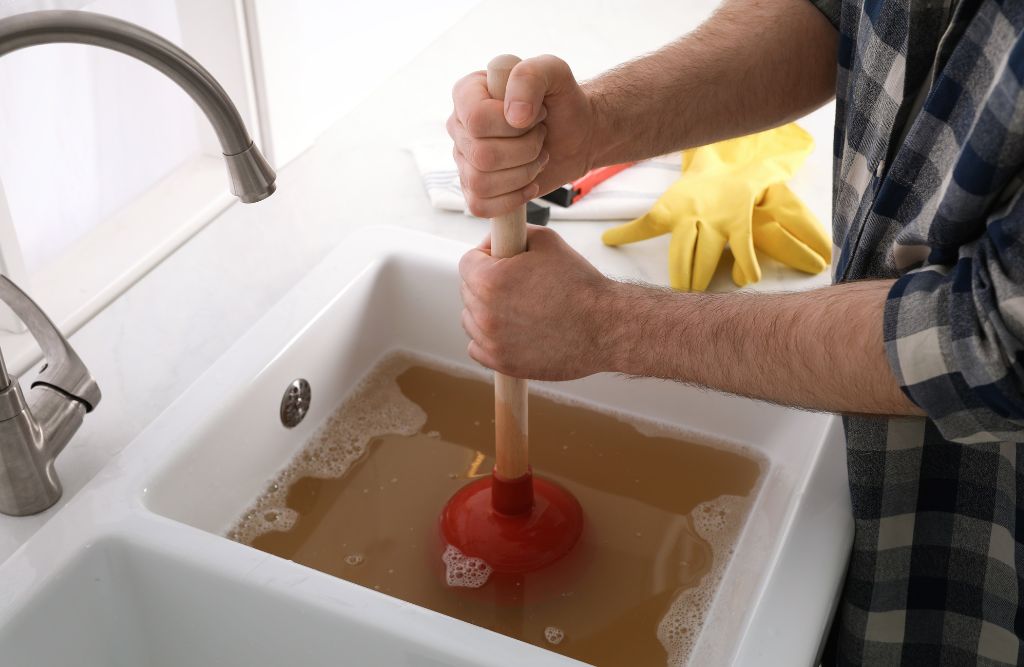
Blocked drains are one of the most common plumbing issues affecting homes and businesses. What may begin as a slow-draining sink, or a faint unpleasant smell can quickly develop into a serious problem if left unresolved. A blocked drain not only disrupts daily routines but can also pose health risks and cause costly property damage. Understanding why blockages occur, how to recognise early warning signs, and the most effective solutions can help property owners take timely and informed action.
What Is a Blocked Drain?
A blocked drain occurs when an obstruction prevents wastewater from flowing freely through the plumbing system. Blockages can form gradually over time or happen suddenly due to inappropriate items entering the drain. These obstructions restrict water flow, leading to backups, overflows, and pressure buildup within pipes.
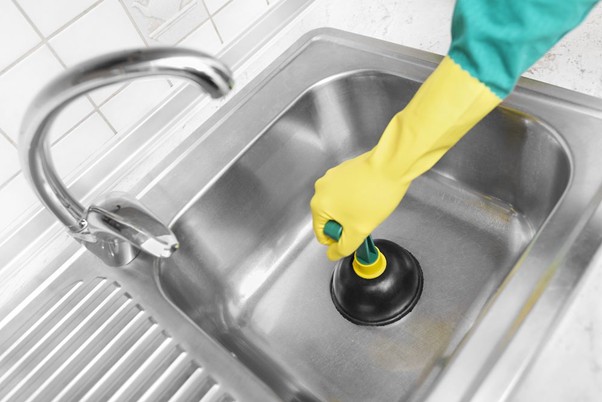
Blocked drains can affect internal plumbing fixtures such as sinks, showers, and toilets, as well as external drains connected to stormwater or sewer systems. Identifying the nature and location of the blockage is essential for effective resolution.
Common Causes of Blocked Drains
Kitchen Waste and Grease Buildup: In kitchens, cooking oils, fats, and grease are major contributors to blocked drains. Although these substances may go down the sink in liquid form, they solidify as they cool, gradually narrowing the pipe interior. Food scraps and soap residue further compound the problem.
Bathroom Debris: Hair, soap scum, toothpaste, and hygiene products are frequent causes of bathroom drain blockages. Over time, these materials bind together, forming stubborn clogs that restrict water flow.
Tree Roots and Outdoor Debris: Outdoor drains are often affected by tree root intrusion, leaves, soil, and debris. Tree roots naturally seek moisture and can enter pipes through small cracks, expanding inside the drainage system and causing severe blockages.
Improper Waste Disposal: Flushing wipes, paper towels, sanitary products, or excessive toilet paper can lead to blocked drains. Even products labelled as “flushable” can accumulate and create obstructions.
Warning Signs of a Blocked Drain
Recognising early symptoms of a blocked drain can prevent escalation. Common warning signs include:
- Slow-draining sinks, showers, or baths
- Gurgling noises from pipes or drains
- Unpleasant odours coming from drain openings
- Water backing up into sinks or floor drains
- Multiple fixtures draining slowly at the same time
When these signs appear, prompt attention is essential to avoid more serious plumbing failures.
Risks Associated with Blocked Drains
A blocked drain is more than an inconvenience. Wastewater backups can expose occupants to harmful bacteria, mould, and pathogens, creating serious health risks. Standing water can also damage flooring, walls, cabinetry, and electrical systems. In severe cases, prolonged moisture may weaken structural elements and lead to expensive repairs.
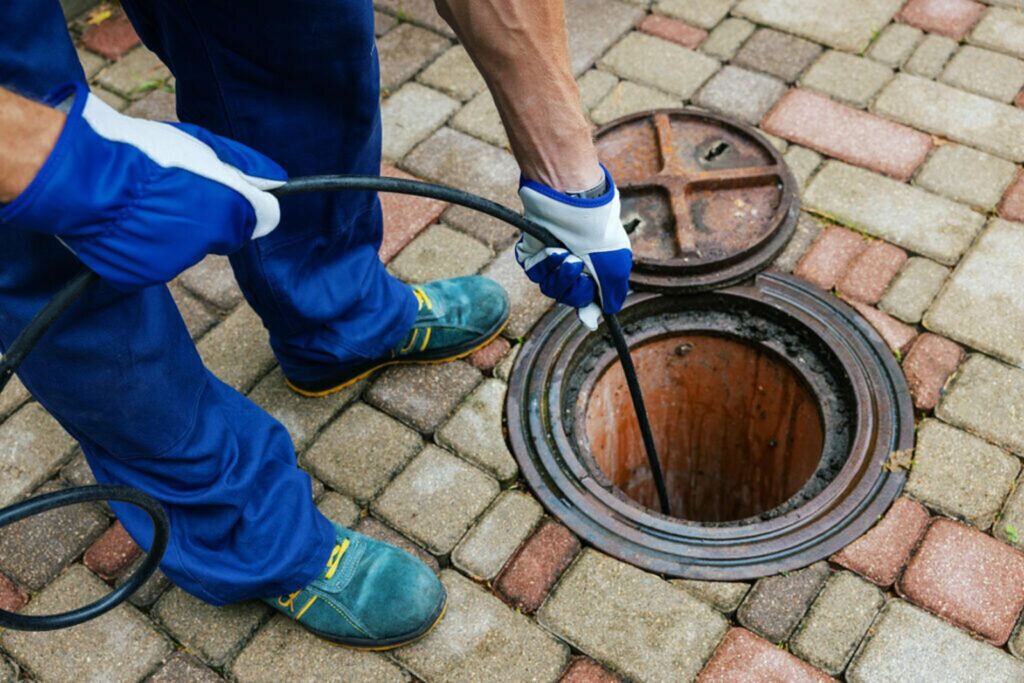
For businesses, blocked drains can disrupt operations, affect customer experience, and potentially lead to regulatory or hygiene compliance issues.
Why DIY Fixes Often Fall Short
Many homeowners attempt to clear a blocked drain using plungers or chemical drain cleaners. While these methods may provide temporary relief for minor clogs, they rarely address the root cause. Chemical cleaners can damage pipes over time, especially in older systems, increasing the risk of leaks or corrosion.
Repeated DIY attempts may mask deeper issues, allowing the blockage to return in a more severe form. Professional intervention ensures the problem is properly diagnosed and resolved.
Professional Solutions for Blocked Drains
CCTV Drain Inspections: CCTV drain cameras allow plumbers to inspect the inside of pipes and accurately identify the location and cause of a blockage. This technology is particularly useful for detecting tree roots, collapsed pipes, or structural defects.
High-Pressure Water Jetting: High-pressure water jetting is one of the most effective methods for clearing blocked drains. It uses powerful streams of water to break apart grease, debris, and roots while thoroughly cleaning the internal pipe walls, reducing the risk of future blockages.
Pipe Repairs and Replacements: In cases where blocked drains are caused by damaged or aging pipes, repairs or replacements may be necessary. Addressing these underlying issues provides a long-term solution rather than repeated temporary fixes.
Preventing Blocked Drains
Preventative maintenance plays a crucial role in avoiding blocked drains. Simple practices include:
- Avoid pouring grease or oil down kitchen sinks
- Use sink and shower strainers to catch debris
- Dispose of hygiene products and wipes properly
- Schedule routine drains inspections and cleaning
- Keep outdoor drains and gutters clear of leaves
Regular maintenance helps ensure drains remain clear and functional.
Final Thoughts
A blocked drain can quickly disrupt daily life and cause significant damage if ignored. By understanding the common causes, recognising early warning signs, and seeking professional assistance when needed, property owners can manage drainage issues effectively. With proactive maintenance and timely intervention, most blocked drain problems can be prevented, ensuring a safe, hygienic, and reliable plumbing system for both residential and commercial properties.