






Have you noticed your lights flickering when you turn on the kettle? Are you wondering whether your home’s electrical system can handle a new air conditioning unit? Perhaps you’re dreaming of smart home features but aren’t sure where to start?
Modern Australian homes demand more from their electrical systems than ever before. From powering multiple devices to supporting solar panels and electric vehicle chargers, today’s households need electrical infrastructure that can keep up. Finding a reliable electrician in Vermont who understands these advanced requirements is absolutely key to keeping your home safe, efficient, and future-ready.
In this guide, we’ll explore everything you need to know about upgrading your home’s electrical system. We’ll cover smart home technology, solar integration, EV charging stations, and essential safety measures. Plus, we’ll help you understand what to look for when choosing an electrician in Vermont for your next project. Whether you’re building new or renovating an older property, you’ll walk away with practical knowledge to make informed decisions about your home’s electrical needs.
What Does an Electrician in Vermont Do?
Residential Electrical Services Overview
A qualified electrician in Vermont handles far more than just fixing faulty switches. These professionals manage everything from complete home rewiring to installing complex smart home systems. They work with switchboards, lighting, power points, safety switches, and increasingly, renewable energy systems.
Residential electrical services typically include new installations, repairs, maintenance, and upgrades. Your local sparkie can help with anything from adding extra power points in your home office to installing a whole-house surge protector. They’re also your go-to experts for compliance certificates and electrical safety inspections.
What’s more, modern electricians often specialise in emerging technologies. Many now offer expertise in solar panel installation, battery storage systems, and EV charger setup. This broader skill set means they can provide comprehensive guidance on making your home more energy-efficient and technologically advanced.
When Should You Call a Professional Electrician?
Never attempt DIY electrical work—it’s illegal in Australia and genuinely dangerous. Call a professional whenever you notice warning signs like burning smells, sparking outlets, frequently tripping circuit breakers, or warm light switches. These issues indicate potentially serious problems that need immediate attention.
You should also reach out when planning renovations, adding new appliances, or upgrading your home’s electrical capacity. A qualified electrician in Vermont can assess your current system and recommend necessary upgrades before problems arise. Prevention is always better (and cheaper) than emergency repairs.
Smart Home Electrical Upgrades Worth Considering
Automated Lighting Systems
Imagine controlling every light in your home from your smartphone or through voice commands. Automated lighting systems make this a reality, offering convenience, energy savings, and enhanced security. You can program lights to turn on at sunset, dim automatically for movie nights, or simulate occupancy while you’re on holiday.
These systems range from simple smart bulbs to fully integrated whole-home solutions. A skilled electrician can help you choose the right setup for your needs and budget. They’ll also handle the necessary wiring modifications to make sure everything works seamlessly.
Smart Switchboards and Circuit Protection
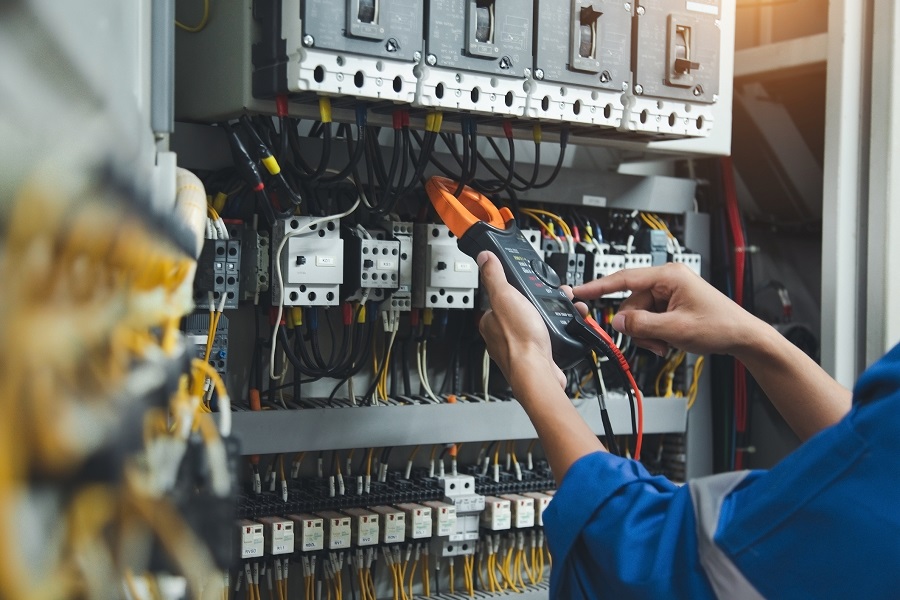
Your switchboard is essentially your home’s electrical command centre. Modern smart switchboards offer improved safety features, better circuit protection, and the ability to monitor energy usage in real-time. They’re designed to handle today’s electrical demands while providing room for future expansion.
Upgrading to a smart switchboard often makes sense when installing solar panels or EV chargers. These systems require dedicated circuits and proper protection. An experienced electrician in Vermont can assess whether your current switchboard needs upgrading or complete replacement.
Home Energy Management Systems
These clever systems track your electricity consumption and help identify where you’re using the most power. They integrate with solar panels, batteries, and smart appliances to optimise energy usage throughout your home. Many homeowners see significant reductions in their electricity bills after installation.
Energy management systems can automatically shift high-energy tasks to times when solar production is highest or electricity rates are lowest. This level of automation takes the guesswork out of managing your home’s energy consumption.
Is Your Home’s Electrical System Outdated?
Warning Signs Your Wiring Needs an Upgrade
Older homes often have electrical systems that simply weren’t designed for modern power demands. Warning signs include frequently blown fuses, discoloured power points, a burning smell near outlets, and lights that dim when appliances start up. If your home still has a ceramic fuse box, it’s definitely time for an upgrade.
Other red flags include two-pronged outlets (indicating ungrounded wiring), aluminium wiring in homes built during the 1960s and 70s, and any visible deterioration of wiring insulation. These issues pose genuine safety risks and should be addressed promptly by a licensed electrician.
How Often Should Electrical Systems Be Inspected?
Australian standards recommend electrical safety inspections every five years for residential properties. However, you might need more frequent checks if your home is older, you’ve recently renovated, or you’ve noticed any of the warning signs mentioned above.
Regular inspections catch potential problems before they become dangerous or expensive. Think of it like servicing your car—routine maintenance prevents breakdowns and keeps everything running safely.
Solar and Battery Storage Solutions for Vermont Homes
Integrating Solar Panels with Your Existing System
Solar power has become increasingly popular across Australia, and for good reason. However, successful integration requires careful planning and professional installation. Your electrician in Vermont will assess your switchboard capacity, roof orientation, and household energy patterns to design an optimal system.
The integration process typically involves upgrading your switchboard, installing an inverter, and connecting everything safely to the grid. Proper installation maximises your solar investment and provides the foundations for adding battery storage later.
What Size Battery Do I Need for My Home?
Battery size depends on several factors: your daily energy consumption, solar panel output, and how much independence from the grid you want. Most Australian households benefit from batteries between 10-15kWh, though your specific needs may vary.
A good electrician will analyse your energy bills and usage patterns to recommend the right capacity. They’ll also consider future needs—like that EV charger you might install next year.
EV Charger Installation: Preparing Your Home for Electric Vehicles
Choosing the Right EV Charging Station
Home EV chargers come in different power levels, with Level 2 chargers being most popular for residential use. These units charge most vehicles overnight and offer a good balance between speed and installation cost. Your choice depends on your vehicle’s capabilities and how quickly you need to charge.
Wall-mounted units are the most common choice for Australian homes. Many offer smart features like scheduling, energy monitoring, and integration with solar systems. Your electrician can recommend models compatible with your vehicle and home setup.
What Are the Electrical Requirements for Home EV Charging?
EV chargers typically require a dedicated circuit rated between 32 and 40 amps. This often means upgrading your switchboard and potentially your main electrical supply. The installation must comply with Australian standards and may require approval from your electricity distributor.
Professional installation is non-negotiable for EV chargers. The high power levels involved mean that improper installation could damage your vehicle, start a fire, or cause serious injury.
Electrical Safety Essentials Every Homeowner Should Know
Safety Switches and Surge Protection
Safety switches (RCDs) are your first line of defence against electrical shocks. They detect current leakage and cut power within milliseconds—fast enough to prevent serious injury. Australian regulations require safety switches on power and lighting circuits, but older homes may not be compliant.
Surge protectors safeguard your expensive electronics from voltage spikes caused by lightning or grid fluctuations. Whole-house surge protection offers better coverage than plug-in power boards alone.
How Do I Know If My Home Electrics Are Safe?
Regular testing by a licensed electrician is the only reliable way to confirm your home’s electrical safety. They’ll check your safety switches are working, inspect wiring condition, and verify your system meets current standards. Don’t rely on visual inspection alone—many electrical hazards aren’t visible.
How Much Does an Electrician in Vermont Cost?
Factors Affecting Electrical Service Pricing
Electrical service costs vary based on job complexity, materials required, and time involved. Call-out fees typically range from $80-150, with hourly rates between $80-120. Complex jobs like switchboard upgrades or solar installations involve additional costs for equipment and permits.
Always get detailed written quotes before work begins. Reputable electricians provide transparent pricing without hidden charges.
Getting Value from Your Electrical Investment
The cheapest quote isn’t always the best value. Consider the electrician’s experience, warranty offerings, and reputation. Quality workmanship lasts longer and reduces future repair costs. Plus, properly installed electrical systems are safer and more efficient.
Choosing the Right Electrician in Vermont for Your Project
What to Look for in a Licensed Electrician
Verify their electrical contractor licence and check they have appropriate insurance. Look for positive reviews, industry memberships, and relevant experience with your type of project. A good electrician communicates clearly and answers your questions without jargon.
Questions to Ask Before Hiring
Ask about their experience with similar projects, expected timeline, and warranty terms. Request references from recent customers and confirm they’ll obtain necessary permits. Clear communication from the start prevents misunderstandings later.
Conclusion: Futureproofing Your Home’s Electrical System
We’ve covered substantial ground today—from smart home upgrades and solar integration to EV chargers and essential safety measures. The common thread throughout? Working with a qualified electrician in Vermont is vital for any electrical project, large or small.
Your home’s electrical system underpins everything modern living requires. Investing in upgrades now prepares your property for emerging technologies while improving safety and energy efficiency. Whether you’re installing your first smart switch or planning a complete electrical overhaul, professional guidance makes all the difference.
Take action today by scheduling an electrical inspection if it’s been a while. Chat with your local electrician about your goals and get their recommendations for priority upgrades. Your future self—enjoying lower energy bills and a safer, smarter home—will thank you for it.