









Have you ever wondered what’s really happening beneath your floorboards? Could tiny insects be silently munching away at your home’s foundations right now? And what exactly stops these wood-destroying pests from turning your biggest investment into an expensive disaster?
If you’re an Australian homeowner, understanding termite protection isn’t just helpful—it’s absolutely essential. Termites cause more damage to Australian homes each year than fires, floods, and storms combined. That’s a staggering statistic that should make anyone sit up and pay attention. The good news? Modern termite barriers offer scientifically proven protection that can save you thousands in repair costs and countless sleepless nights.
In this article, we’ll break down exactly how termite barriers work, explore the fascinating science behind termite behaviour, and help you understand your options for protecting your property. Whether you’re building a new home, renovating an existing one, or simply wanting to safeguard your investment, you’ll discover everything you need to make informed decisions about termite protection. Let’s get stuck into it.
Understanding the Enemy: What Are Termites and White Ants?
Before we explore protection methods, it’s vital to understand what we’re dealing with. Termites are social insects that live in colonies, sometimes numbering in the millions. They’ve been around for over 250 million years, which gives you some idea of how incredibly successful they are at what they do.
Are White Ants and Termites the Same Thing?
Here’s something that confuses many Australians: white ants and termites are actually the same creature. The term “white ants” is a common Australian nickname, though it’s technically incorrect—termites aren’t ants at all. They’re more closely related to cockroaches! Despite this misleading name, white ants cause identical damage and require the same treatment approaches. Understanding this simple fact helps you recognise that any advice about termites applies equally to white ants.
How Termites on Wood Cause Structural Damage
Termites on wood are like a hidden army working 24/7 against your home. These insects feed on cellulose, the main component of wood and plant material. Worker termites consume wood and carry it back to feed the colony, including the queen and soldiers who can’t feed themselves.
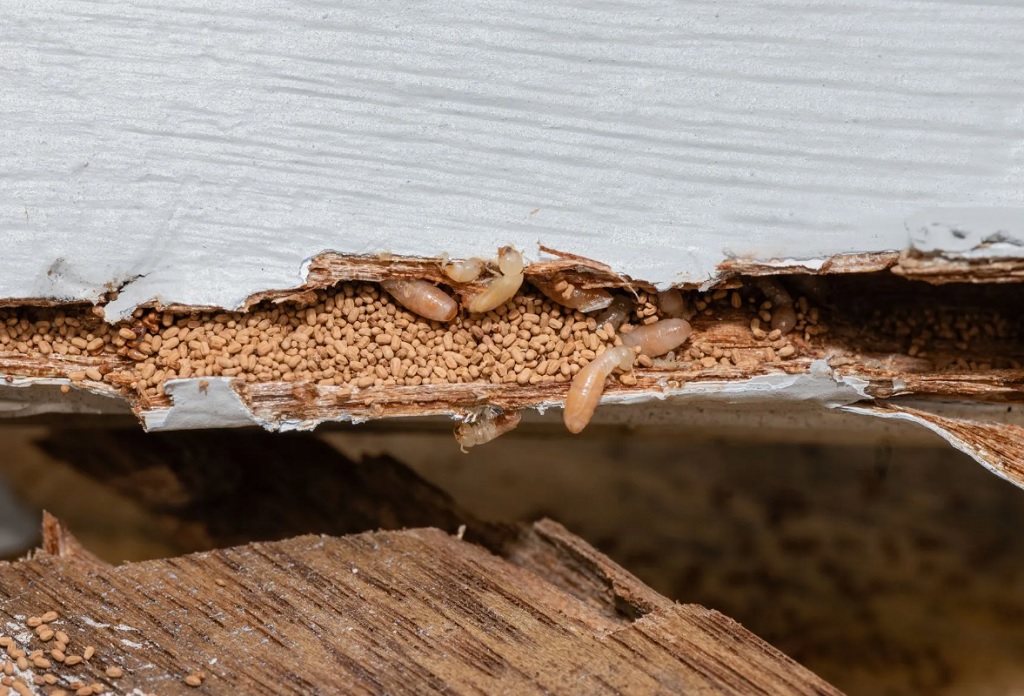
What makes termites on wood so dangerous is their stealth. They typically enter timber from the inside, eating their way outward but leaving a thin outer layer intact. This means a beam might look perfectly fine while being completely hollow inside. Over time, this hidden damage compromises structural integrity, potentially causing floors to sag, walls to buckle, and in severe cases, complete structural failure.
Signs of a Termite Damaged House
Spotting a termite damaged house early can save you thousands. Look for mud tubes along foundations—these are protective tunnels termites build to travel between their nest and food source. Hollow-sounding timber, bubbling or cracked paint, and doors or windows that suddenly stick are all warning signs.
A termite damaged house might also show sagging floors or ceilings. If you tap wooden surfaces and they sound hollow, or if you notice small piles of what looks like sawdust (actually termite droppings called frass), call a professional immediately.
The Science Behind Termite Behaviour
How Do Termites Find and Attack Your Home?
Termites are remarkably sophisticated when locating food sources. They send out scout termites that can detect moisture, wood, and even the chemical signatures of suitable building materials. When scouts find your home, they leave pheromone trails for other colony members to follow.
Subterranean termites—the most destructive type in Australia—need constant moisture and soil contact to survive. They build elaborate tunnel systems connecting their underground nests to food sources above ground. This is precisely why termite barriers are so effective—they interrupt this crucial connection.
Why Are Some Properties More Vulnerable Than Others?
Properties with high moisture levels, poor drainage, or wood-to-soil contact are particularly attractive to termites. Stored timber, old tree stumps, and even garden mulch against foundations can invite trouble. Homes in certain geographic areas also face higher risk due to local termite populations.
What Is a Termite Barrier and How Does It Work?
The Scientific Principles Behind Termite Barriers
Termite barriers work on a beautifully simple principle: prevent termites from accessing your home’s timber undetected. These barriers don’t necessarily kill termites (though some do)—they force termites into the open where their activity becomes visible.
The science involves creating a continuous treated zone around your home’s perimeter. Whether using chemicals or physical materials, the barrier must have no gaps. Termites are persistent and will exploit any weakness, so complete coverage is non-negotiable.
How Long Does a Termite Barrier Last?
Most chemical barriers remain effective for 5-10 years, depending on soil conditions, chemical type, and application quality. Physical barriers typically last the lifetime of the building, though they require regular inspections to confirm they haven’t been breached or damaged.
Types of Termite Barriers Explained
Chemical Termite Barriers: How Termite Barrier Chemical Treatments Work
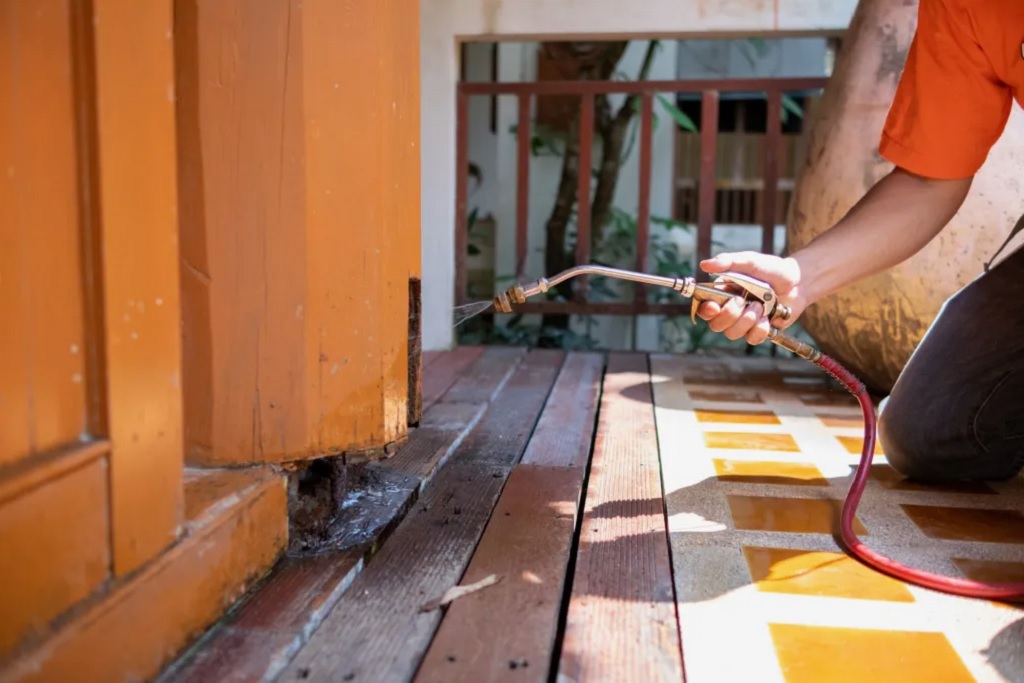
Termite barrier chemical treatments involve applying specialised insecticides to the soil surrounding your property. Modern termite barrier chemical products use non-repellent formulations—termites can’t detect them and walk right through, picking up the active ingredient and spreading it throughout the colony.
This “transfer effect” is what makes termite barrier chemical treatments so effective. Affected termites unknowingly become carriers, ultimately causing colony elimination. Common active ingredients include fipronil, imidacloprid, and bifenthrin, all rigorously tested for safety and effectiveness.
Physical Termite Barriers: A Non-Toxic Approach
Physical barriers use materials that termites simply cannot penetrate. These include stainless steel mesh, crushed granite particles (too hard for termites to move), and specially-designed plastic sheeting. Physical barriers are installed during construction, typically beneath slabs and around penetrations.
The advantage of physical barriers is their longevity and chemical-free nature. They’re particularly popular for new builds and among environmentally-conscious homeowners.
Which Type of Termite Barrier Is Best for Your Home?
Choosing the right barrier depends on your property’s age, construction type, and your personal preferences. New homes benefit from physical barriers installed during construction. Existing properties often require chemical treatments, which can be applied without major disruption.
Many pest control experts recommend combining both approaches for maximum protection. This layered strategy provides multiple lines of defence against these persistent pests.
Termites Treatment Options: Comparing Your Choices
Do Termite Barriers Really Protect Your House from Termites?
Absolutely—when properly installed and maintained, termite barriers protect house from termites remarkably effectively. Studies show that well-maintained barriers reduce termite attack risk by over 99%. The key phrase here is “properly installed and maintained.”
Termite barriers protect house from termites by creating a monitored zone around your property. Even if termites attempt entry, they’ll be detected during regular inspections before causing significant damage. This early warning system is invaluable.
Can You Install Termite Barriers Yourself?
While some physical barrier products are marketed for DIY installation, professional installation is strongly recommended for termites treatment. The margin for error is too small—one gap can compromise your entire home’s protection.
Professional termites treatment ensures complete coverage, correct chemical concentrations, and proper documentation. Plus, most warranty conditions require professional installation.
Preventing a Termite Damaged House: Proactive Protection Strategies
Beyond barriers, several practices help protect your home. Maintain good drainage away from foundations. Keep garden beds and mulch at least 100mm from walls. Remove dead trees, stumps, and stored timber from your property. Fix leaking taps and pipes promptly.
Regular professional inspections—at least annually—are essential. Many termite damaged house cases could have been prevented with routine checks. Early detection means simpler, cheaper termites treatment.
Investing in Termite Barriers for Long-Term Peace of Mind
We’ve covered substantial ground today, from understanding how white ants behave to exploring various barrier types and professional treatment options. The science is clear: termite barriers, whether chemical or physical, provide proven protection against these destructive insects.
The bottom line is this: protecting your home from termites isn’t optional in Australia—it’s essential. Whether you choose termite barrier chemical treatments, physical barriers, or a combination approach, the investment pays for itself many times over. A termite damaged house represents not just financial loss but emotional stress and potential safety hazards.
Take action today. Schedule an inspection, talk to termite control Melbourne professionals, and implement protection before you have a problem. Your home is likely your biggest asset—it deserves proper protection. Don’t wait until you’re dealing with a termite damaged house to appreciate the value of prevention. Your future self will thank you.