






Moving out of a rental property brings a mix of excitement and responsibility. One of the most important tasks before handing the keys back to your landlord is completing a thorough end of lease clean. This deep cleaning process is essential not just for leaving a good impression but also for ensuring you receive your full bond refund. Real estate agents expect the property to be returned in the same condition it was at the beginning of your tenancy, which is why end of lease cleaning requires time, patience, and a systematic approach. With the right techniques, however, this big job becomes much easier to manage.
Understanding the Importance of End of Lease Cleaning
End of lease cleaning is more detailed than regular house cleaning. It involves sanitising, scrubbing, polishing, and restoring each part of the property so it looks fresh and well-maintained. A properly cleaned home helps avoid disputes with your landlord, speeds up the final inspection, and leaves the space ready for the next tenant. For many renters, knowing what to do and how to do it effectively is the key to a smooth moving-out experience.
Start with a Clear Plan and Checklist
Before touching a cloth or mop, the first step is planning. Creating a room-by-room checklist keeps you organised and ensures nothing is overlooked. Start with the areas that require the most work, such as the kitchen and bathrooms, then move through the living areas, bedrooms, and finally outdoor spaces. Having a clear plan helps you stay focused and reduces the stress that usually comes with last-minute cleaning.
Declutter and Empty the Space First
Cleaning is much easier when the space is empty. Remove personal belongings, pack up items you’re taking to your new place, and dispose of anything you no longer need. Empty all cupboards, drawers, shelves, and storage spaces so you can clean every corner without obstruction. Decluttering allows you to move freely and makes the cleaning process faster and more efficient.
Give Extra Attention to High-Use Areas
Certain parts of the home naturally accumulate more dirt, dust, and stains. The kitchen, living room, and hallways are examples of high-traffic zones that require special care. Begin by vacuuming or sweeping these areas, then wipe down walls, doors, and skirting boards to remove marks. Light switches, door handles, and window frames often get ignored, yet they collect a lot of grime over time. Giving these small details attention can make a big difference during the inspection.
Deep Clean the Kitchen Thoroughly
The kitchen is often the toughest room to clean because of grease, food splatters, and general wear. For a successful end of lease clean, make sure you clean the oven, stovetop, rangehood, sink, benchtops, cupboards, and appliances. The oven usually takes the most effort, so use a strong cleaner or a natural solution like baking soda and vinegar to dissolve stubborn grime. Don’t forget to clean inside cupboards and drawers, remove crumbs, and wipe down surfaces from top to bottom. A sparkling, grease-free kitchen instantly improves the appearance of the home.
Refreshing the Bathrooms
Bathrooms tend to collect soap scum, mould, and hard water stains, which means they require a deep cleaning approach. Start by scrubbing tiles and grout until they look bright again. Clean the shower screen, mirror, sink, and cabinets thoroughly. Use suitable cleaning products to remove mould from ceilings or corners. Polishing taps and fixtures helps bring back their shine, while disinfecting the toilet inside and out ensures everything looks and smells clean. A fresh, sanitised bathroom plays a huge role in passing the final inspection.
Cleaning Walls, Doors, and Fixtures
Walls are often marked by furniture, shoes, or general use. Inspect them carefully and clean any smudges or scuff marks with a gentle cleaner. Pay attention to door frames, window ledges, built-in wardrobes, and light fittings. Dusting and wiping these areas makes the property look brighter and more presentable. Ceiling fans and air vents also accumulate dust, so cleaning them ensures the home feels well-cared for and complete.
Don’t Skip the Windows
Clean, streak-free windows instantly make any room look more inviting. Wipe window panes, clean the tracks, and dust the frames properly. If possible, clean both the inside and outside of the windows to ensure maximum clarity. A squeegee is helpful for achieving a spotless finish, giving the home a polished and fresh appearance.
Floor Cleaning That Leaves an Impression
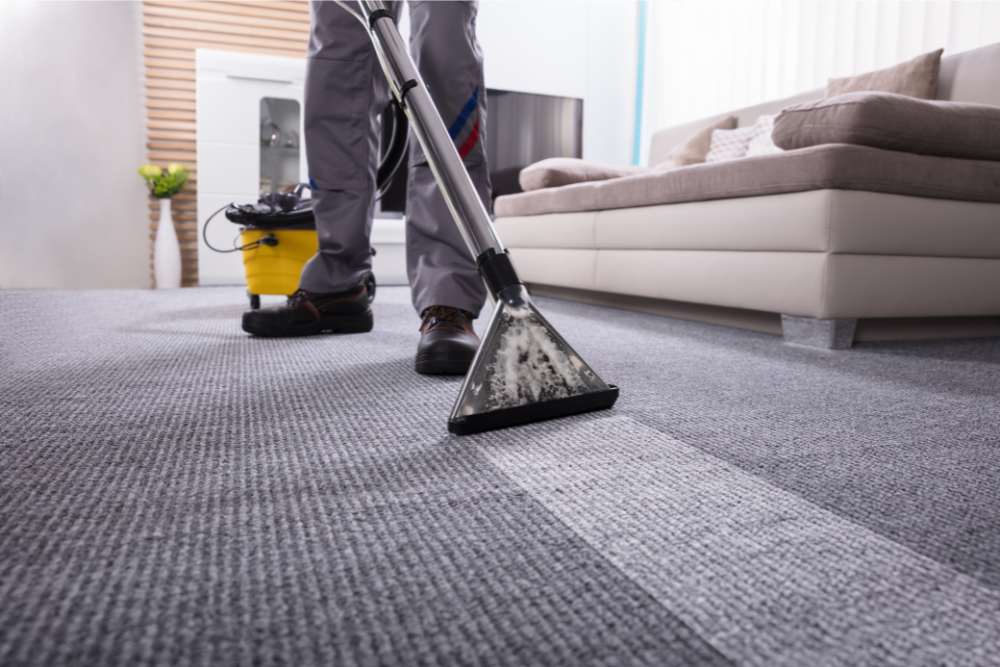
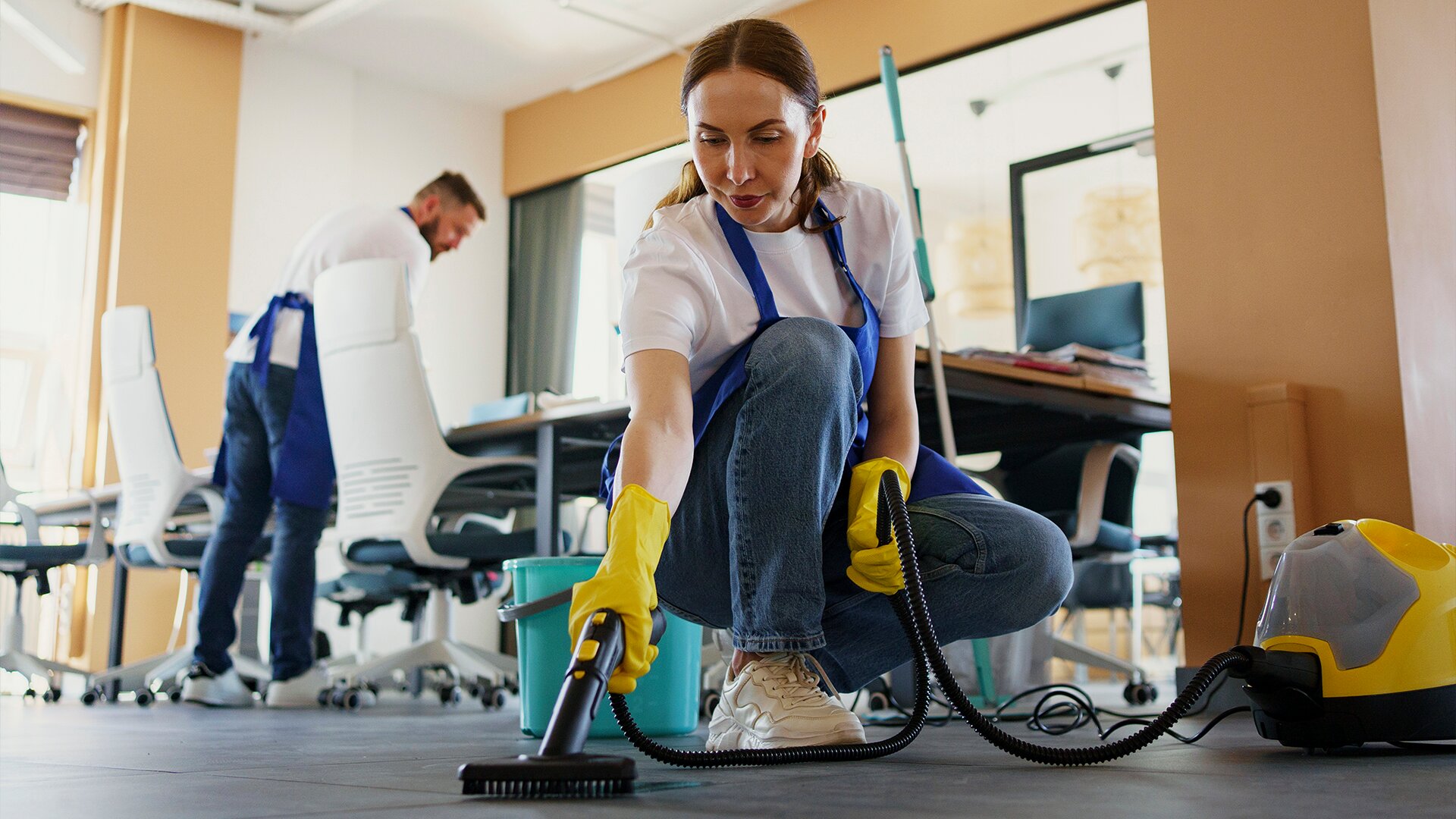
Floors play a significant role in how clean a home looks. Carpets should be vacuumed thoroughly, and if they have noticeable stains, steam cleaning may be necessary—many landlords actually require it. Tiles need mopping and sometimes grout scrubbing, while hardwood floors should be cleaned with appropriate products to avoid damage. Well-maintained floors can dramatically boost the overall presentation of the property.
Remember Outdoor Areas Too
If your rental includes a balcony, patio, or garden space, these areas also need attention. Sweep the floors, remove cobwebs, tidy up any plants, and discard rubbish. A clean outdoor area enhances the final impression of the property and shows you have taken responsibility for the full extent of the rental space.
Finish with a Final Walk-Through
Once all the cleaning is done, take a slow walk through the entire property. Check corners, cupboards, windows, and surfaces to ensure nothing has been missed. Make sure all rubbish is removed, lights and taps are working, and everything looks neat and ready for inspection. This final check helps you identify small details that may need a quick fix before handing over the keys.
Final Thoughts
End of lease cleaning may feel overwhelming, but with a clear plan and the right techniques, it becomes a manageable and satisfying task. A carefully cleaned home not only supports a smooth bond return but also ensures you leave the property in excellent condition for the next tenant. Whether you choose to clean it yourself or hire professionals, taking the time to do it properly is always worth the effort.